
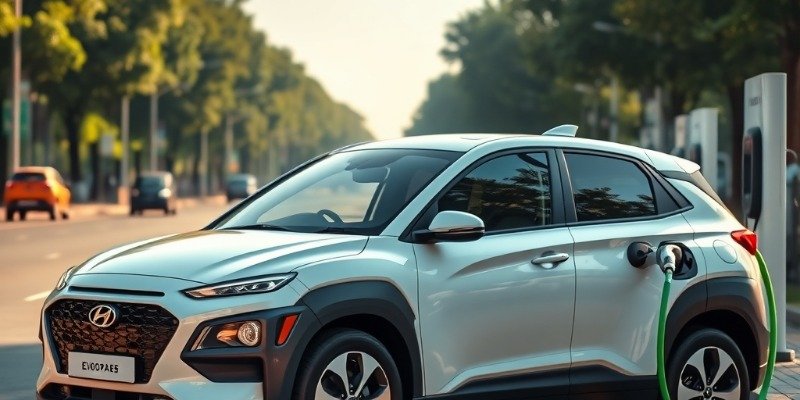
The used electric vehicle market in India is growing fast as more drivers switch to electric mobility. Many buyers worry that a high-kilometer EV will have a worn-out battery and expensive repair bills. The reality is different. Modern electric cars are mechanically simpler than petrol or diesel vehicles. They have fewer moving parts, which means less can go wrong. Battery technology has improved significantly since 2017, with liquid cooling systems that protect the pack from rapid degradation. Most manufacturers offer an eight-year or 100,000-kilometer battery warranty that transfers to the next owner. This warranty covers replacement if capacity drops below a set threshold, often around 70 percent of original capacity. For a buyer, this means a high-kilometer EV still under warranty carries less risk than a similar-age combustion car with a complex engine and transmission.
Why Used EVs Offer Better Value
New electric cars benefit from government incentives that lower the effective purchase price. When these cars enter the used market, that savings gets passed on to the second owner. You get a vehicle with instant torque, one-speed transmission, and strong acceleration for a fraction of the new price. Electricity costs per kilometer are far lower than petrol or diesel. Maintenance is minimal because there are no oil changes, spark plugs, timing belts, or exhaust systems. Brake wear is also reduced thanks to regenerative braking. Consumer Reports data shows plug-in hybrids cost half as much to maintain over their lifetime compared to equivalent petrol cars. For a used buyer, the lifetime value of a pre-owned EV is even greater than a new one.
Depreciation works in your favor. Electric cars lose value faster than petrol cars because technology moves quickly and incentives reduce the first owner's cost. This steep depreciation means you can buy a two- or three-year-old EV with modern features for much less than a comparable petrol car. Many early EVs were leased with strict annual mileage limits. This creates a supply of low-mileage, three-year-old cars with 15,000 to 30,000 kilometers on the clock. These vehicles have barely been used and still have most of their battery warranty remaining.
Battery Health: The Real Story
The battery is the most important component in an electric car. Batteries naturally lose some capacity over time, but the rate of loss depends on chemistry and thermal management. Cars built after 2017 typically use liquid-cooled battery packs that maintain optimal temperature during charging and driving. This dramatically slows degradation. Data from Recurrent, a firm that tracks thousands of EVs, shows only about one percent of vehicles newer than 2016 needed battery replacements. For cars older than 2015, the figure rises to 13 percent, but those early models mostly lacked active cooling.
A simple way to check battery health is to fully charge the car and compare the displayed range to the original EPA or WLTP rating. If the estimate is within 10 to 20 percent of the original figure, the pack is in good shape. For a more detailed picture, services like Recurrent provide free battery reports using real-world data from similar vehicles. Professional diagnostic tools that plug into the OBD-II port can read individual cell voltages and flag any imbalance. Many dealerships now offer these reports at no cost. A long test drive on highways, hills, and city streets will also reveal if the range estimator matches actual consumption.
Understanding Warranties and Certified Pre-Owned
Nearly every electric car sold globally comes with a dedicated battery warranty of eight years or 100,000 kilometers, whichever comes first. This is separate from the standard bumper-to-bumper warranty and covers the pack, battery management system, and related components. The warranty transfers to subsequent owners automatically. Terms vary by brand. For example, some manufacturers cover replacement only if capacity falls below 70 percent, while others use a 75 percent threshold. Always read the warranty booklet for the specific model and year you are considering.
Certified pre-owned programs add another layer of protection. These cars undergo multi-point inspections, come with extended warranty coverage, and meet strict age and mileage criteria. While CPO vehicles cost more than private-sale cars, the extra warranty can be worthwhile for peace of mind. If buying from a private seller, have an independent EV specialist run a diagnostic scan before you commit.
Best Used EV Models to Consider
Several models stand out for reliability, value, and support network. The Chevrolet Bolt EV offers practical range, a compact footprint, and a large owner community that means plenty of real-world data on battery health. The Hyundai Kona Electric and Kia Niro EV share a proven platform with efficient powertrains and reasonable used prices. The Tesla Model 3 benefits from a massive charging network, over-the-air updates, and extensive third-party service knowledge. The Ford Mustang Mach-E provides a crossover shape, strong range on extended-battery trims, and access to Ford's widespread dealer network for service.
Plug-in hybrids like the Toyota Prius Prime or Mitsubishi Outlander PHEV are also worth a look. They have smaller batteries that degrade less, and the petrol engine sees less wear because many kilometers are driven on electricity. Consumer Reports confirms PHEVs deliver maintenance savings close to full EVs.
Models to Approach With Caution
Older Nissan Leaf models (pre-2018) used passive air cooling, which leads to faster battery degradation in hot climates. They also use the CHAdeMO fast-charging standard, which is being phased out in favor of CCS and NACS. The BMW i3 has unique components like carbon-fiber construction and unusual tire sizes that can make repairs expensive and parts hard to find. Luxury EVs such as the Jaguar I-Pace, Audi e-tron, and older Tesla Model S often depreciate heavily but retain high repair costs for suspension, electronics, and bodywork. If the warranty has expired, a single component failure can cost more than the car's value. These vehicles suit enthusiasts with specialist knowledge, not budget-focused buyers.
Charging Speed and Connector Compatibility
Charging capability varies widely by model year. Many EVs built before 2020 max out at 50 kW DC fast charging, while newer cars like the Hyundai Ioniq 5 accept up to 240 kW. This means a 2022 Ioniq 5 can add over 11 kilometers of range per minute at a 350 kW charger, whereas a 2017 Bolt adds less than three kilometers per minute. Older Leafs, Kia Soul EVs, and Mitsubishi i-MiEVs use CHAdeMO ports, requiring adapters for most public fast chargers in India. Home charging speed also matters. Some early Leafs have only a 3.3 kW onboard charger, taking over eight hours for a full charge. A 7.2 kW or 11 kW unit cuts that time significantly. If you cannot install a home charger, public charging costs can erase the fuel savings of an EV.
Tires, Software, and Other Checks
Electric cars are heavier and deliver instant torque, which wears tires faster than petrol cars. Check tread depth with a coin; if the tread is near the wear indicators, budget for a new set. Verify that all software updates have been installed. Tesla owners can check this on the center screen; other brands may require a dealer visit. Open recalls must be resolved before purchase. Some early EVs rely on discontinued 3G cellular networks for remote features like pre-conditioning and charge scheduling. These functions may no longer work, though the car itself will drive normally.
Incentives and Insurance
The Indian government and several states offer incentives for used EV purchases, including reduced registration fees and tax benefits. Check the latest FAME II and state-level policies before buying. Insurance premiums for EVs are often higher than for petrol cars because battery packs are expensive to replace after accidents. Get quotes for the exact model and variant you are considering before finalizing the deal.
Final Verdict
A high-kilometer used electric car is not the risk it appears to be. Battery degradation is manageable and well-understood, especially on liquid-cooled packs from 2017 onward. Long transferable warranties protect the most expensive component. Steep depreciation puts modern, feature-rich EVs within reach of more buyers. Low-mileage lease returns flood the market with barely-used cars. Maintenance costs are a fraction of combustion vehicles. With proper due diligence — a diagnostic scan, a long test drive, and a warranty check — a used EV can deliver years of cheap, clean, and enjoyable driving.
FAQs
How much battery degradation is normal for a used EV
Most modern EVs lose about 1 to 2 percent of capacity per year. A five-year-old car with 90 percent of its original range is considered healthy. Liquid-cooled packs degrade slower than air-cooled ones.
What should I check during a test drive of a used EV
Fully charge the car first. Drive on highways, hills, and city streets. Watch if the range estimator drops in line with actual distance covered. Test regenerative braking and check for any warning lights.
Are used EV warranties transferable in India
Yes, manufacturer battery warranties typically transfer to the next owner automatically. Confirm the remaining duration and mileage limit with the seller or the brand's authorized service center.
Is it safe to buy a used EV with over 80,000 kilometers
If the car is under eight years old and has a liquid-cooled battery, 80,000 kilometers is well within the design life. Get a diagnostic report to confirm cell balance and capacity before buying.
Which used EVs have the best charging network access in India
Tesla Model 3 and Model Y can use the growing Supercharger network plus CCS2 public chargers. Hyundai, Kia, MG, and Tata models use CCS2, which is the most common standard at Indian public stations.