
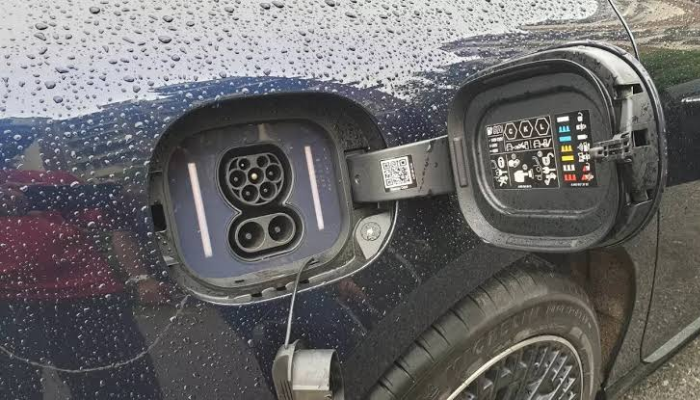
The monsoon season brings cooler weather and scenic drives, but it also creates challenges for vehicle owners. If you own an electric car or electric bike, you may wonder whether it’s safe to drive in heavy rain or charge your EV during wet conditions.
The good news is that modern electric vehicles are designed to handle rain and wet roads. Most EVs feature sealed battery packs, waterproof electrical components, and advanced safety systems. However, proper maintenance during the rainy season is essential to ensure long-term performance, safety, and reliability.
Avoid Deep Water and Flooded Roads
Although electric vehicles are water-resistant, driving through deep water is never recommended.
Flooded roads can damage electrical connectors, suspension components, wheel bearings, and other mechanical parts. Water may also reduce traction and increase the risk of accidents.
Tips:
- Avoid roads with heavy waterlogging.
- Never drive through fast-flowing floodwater.
- If you’re unsure about the water depth, take an alternate route.
Charge Your EV Safely During Rain
Charging an EV in the rain is generally safe if you follow the manufacturer’s guidelines.
Always ensure the charging connector and charging port are dry before plugging in the charger.
Best Practices
- Use only certified chargers.
- Charge under a covered parking area whenever possible.
- Keep your hands dry while connecting or disconnecting the charger.
- Inspect charging cables regularly for damage.
Keep the Charging Port Clean
Rainwater, mud, and dust can accumulate around the charging port.
A dirty charging port may lead to poor connections and charging issues.
Maintenance Tips
- Clean the charging port gently with a dry microfiber cloth.
- Always close the charging port cover after use.
- Never spray high-pressure water directly into the charging socket.
Inspect Your Brakes Regularly
Wet roads reduce braking efficiency for all vehicles, including EVs.
Since electric vehicles also use regenerative braking, it’s important to ensure both regenerative and mechanical braking systems work properly.
Check for:
- Unusual noises
- Reduced braking performance
- Brake warning lights
Check Tyre Condition and Pressure
Tyres play a critical role in maintaining grip on wet roads.
Low tread depth significantly increases the risk of skidding.
Inspect regularly:
- Tyre pressure
- Tread depth
- Sidewall damage
- Uneven tyre wear
Properly inflated tyres improve safety and driving efficiency.
Wash Your EV After Heavy Rain
Rainwater often contains dirt, road grime, and contaminants that can affect your vehicle’s finish.
Cleaning your EV after heavy rain helps protect both the paint and underbody.
Remember
- Use clean water and a mild car shampoo.
- Dry the vehicle thoroughly.
- Avoid directing high-pressure water toward electrical components or the charging port.
Park in a Covered Area
Whenever possible, park your EV in a covered garage or sheltered parking space.
Covered parking helps protect:
- Charging ports
- Paint finish
- Electrical connectors
- Interior components
Avoid parking under large trees during storms due to falling branches.
Common Myths About EVs in Rain
Myth: EVs cannot be driven in the rain.
Fact: Modern electric vehicles are built to operate safely in normal rainy conditions.
Myth: Rainwater will damage the battery.
Fact: EV battery packs are sealed and protected against water ingress according to industry safety standards.
Myth: Charging an EV in the rain is unsafe.
Fact: Charging is safe when using certified equipment and following the manufacturer’s instructions.
Frequently Asked Questions
Is it safe to drive an EV during heavy rain?
Yes, modern EVs are designed to handle normal rain. However, avoid driving through deep water or flooded roads.
Can I charge my electric vehicle while it’s raining?
Yes, provided you use a certified charger and ensure the charging connector and port are dry.
Can rain damage an EV battery?
No. EV batteries are sealed and designed to resist water under normal operating conditions.
Should I wash my EV after driving in the rain?
Yes. Washing your EV removes mud, road salt, and contaminants that can affect the vehicle’s finish.
How often should I inspect my EV during the monsoon?
A weekly visual inspection of tyres, charging ports, and lights, along with scheduled servicing, is recommended.
EV Cost Calculator & Compare Tool
EV Running Cost Calculator
Estimate your EV's running costs.
Calculation Type
Estimated Cost
₹--
Estimated Cost Per Kilometer
₹--
Calculations are estimates based on provided values.