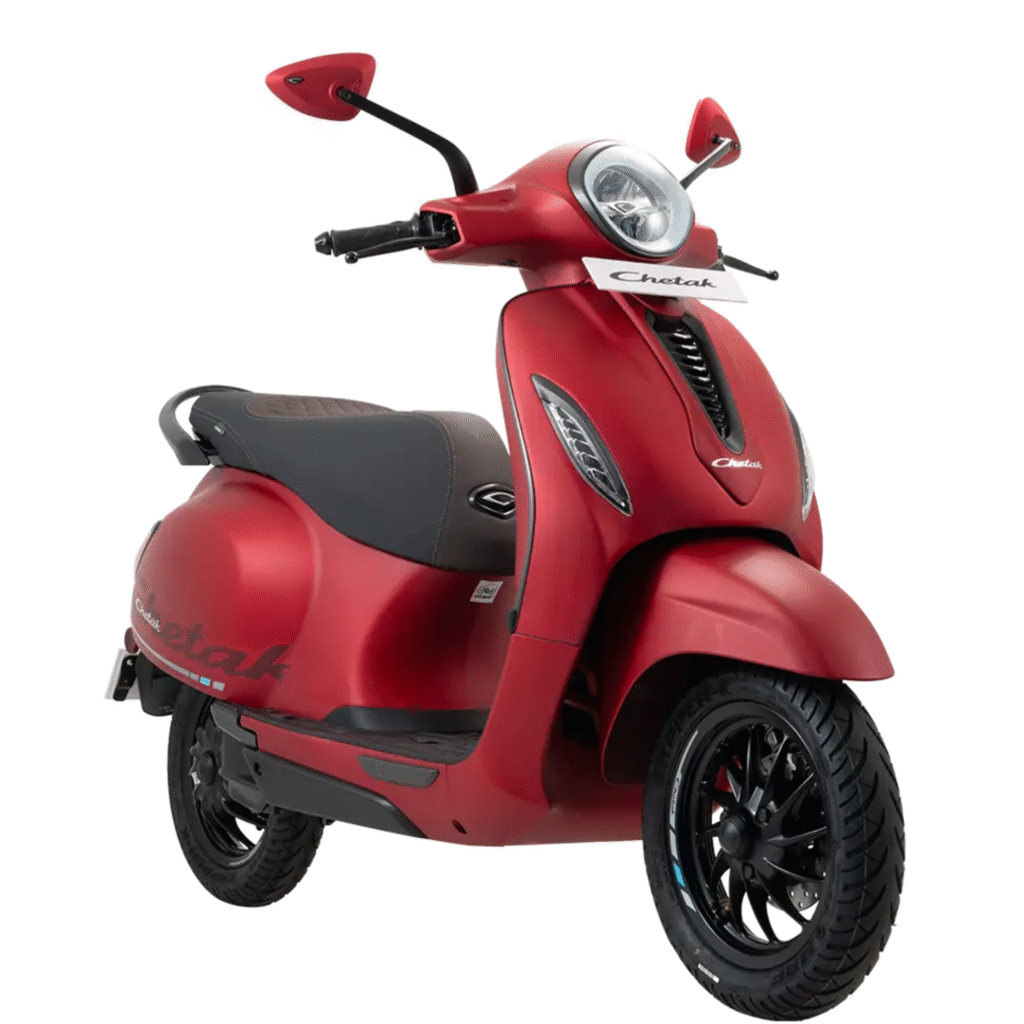
The electric two-wheeler market in India saw some big moves in August 2025, with TVS Motor Company staying at the top while Ola Electric and Ather Energy fought closely for the second spot.
TVS Motor Company – Clear Market Leader
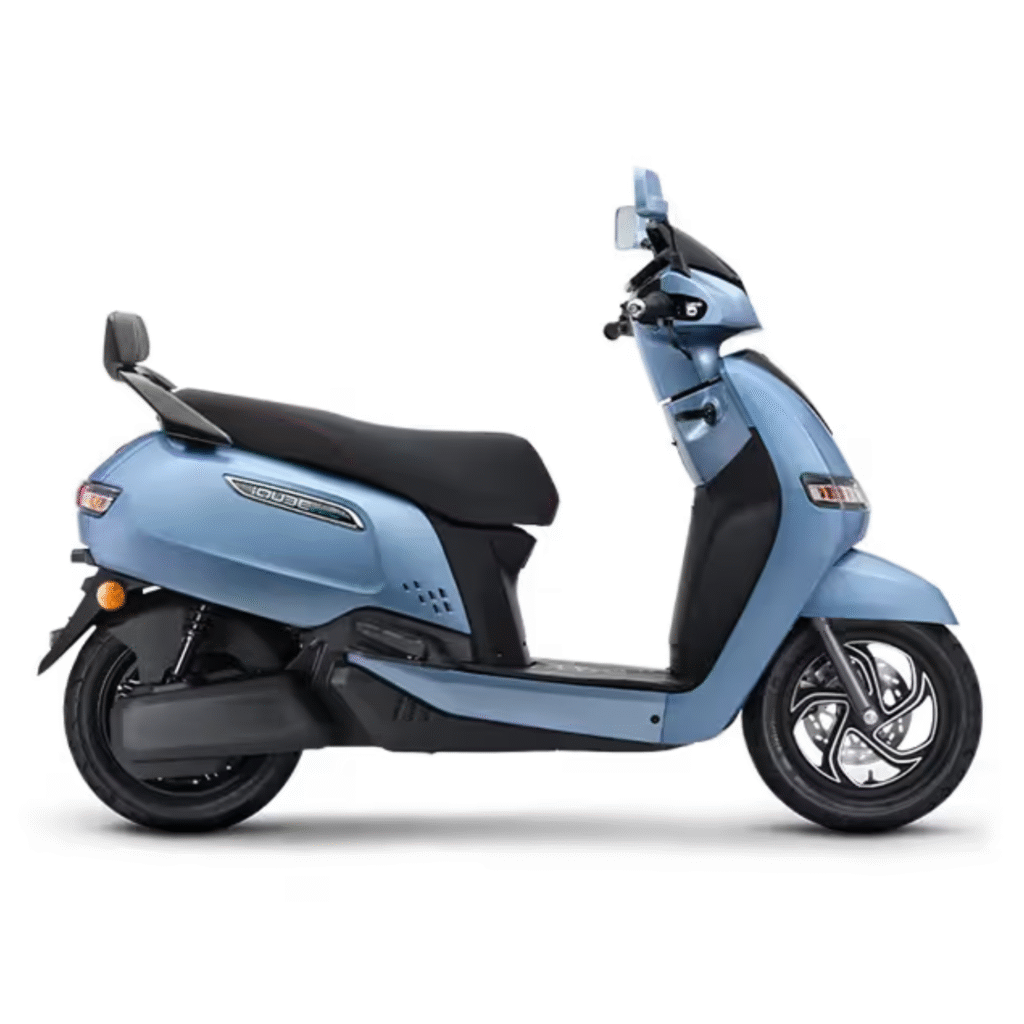
TVS sold 24,087 units of its iQube scooter in August, giving it a 23% market share. This is over 5,000 units ahead of Ola. Between April and August, TVS delivered 1,16,749 e-scooters, a 64% jump compared to last year. With 1,90,498 units already sold in 2025, the brand has almost matched its entire 2024 sales. The recently launched TVS Orbiter, placed alongside the entry iQube, is expected to give the company an extra push in the festive season.
Ola Electric – Back in Second Place
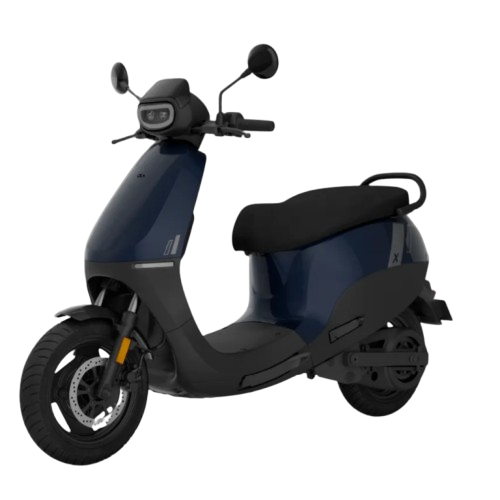
Ola Electric registered 18,972 sales in August, securing an 18% market share. The company managed to move ahead of Ather late in the month and also crossed the 9 lakh cumulative sales milestone. However, its August numbers were 31% lower than last year, showing mixed performance. The S1 range continues to be Ola’s main sales driver.
Ather Energy – Best Month Ever
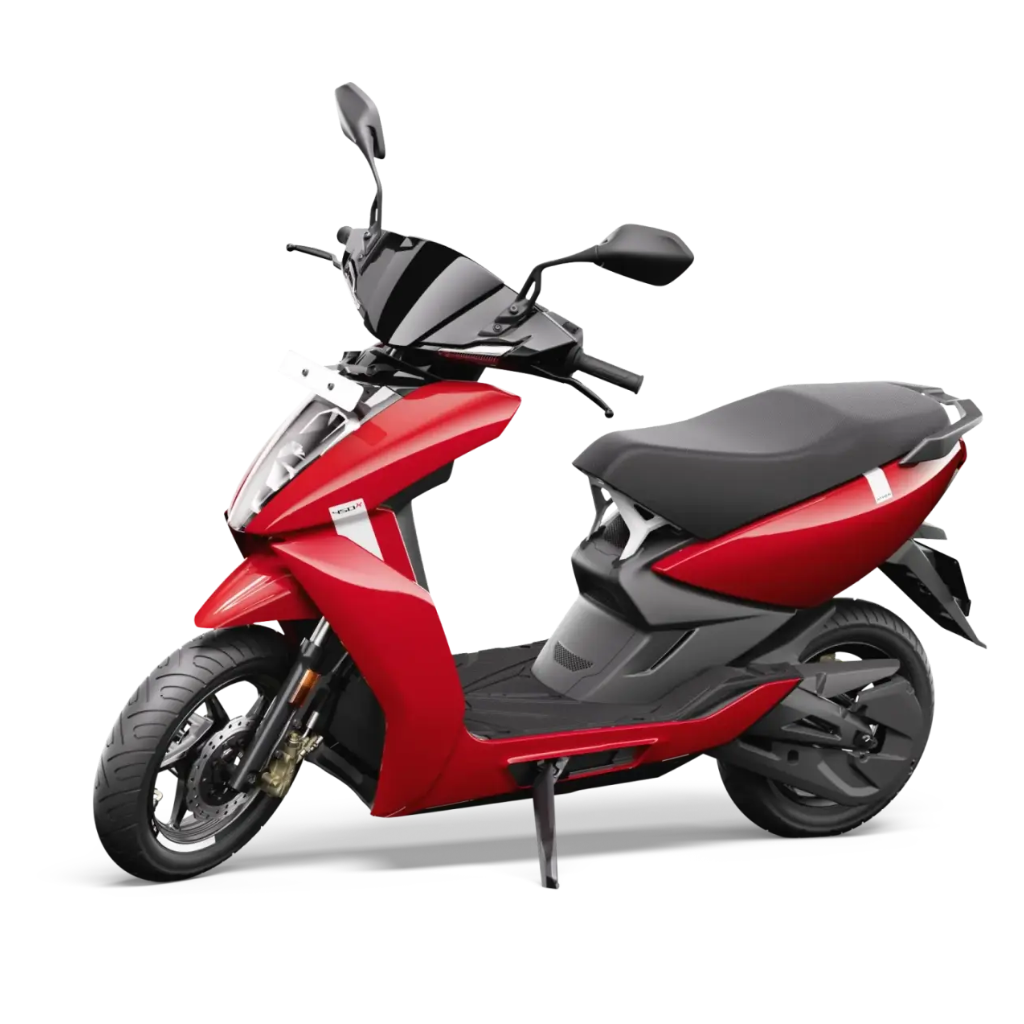
Ather Energy posted its highest-ever monthly sales with 17,856 units in August, taking a 17% share of the market. This was a solid 62% year-on-year growth. The Rizta scooter family made up more than 60% of Ather’s volumes. With 1,16,046 units already sold in 2025, Ather has covered 92% of its 2024 sales total and is on track to cross 1.75 lakh units this year. The company also introduced the new EL platform and rolled out fresh software updates for its lineup.
Hero MotoCorp – Fastest Growth
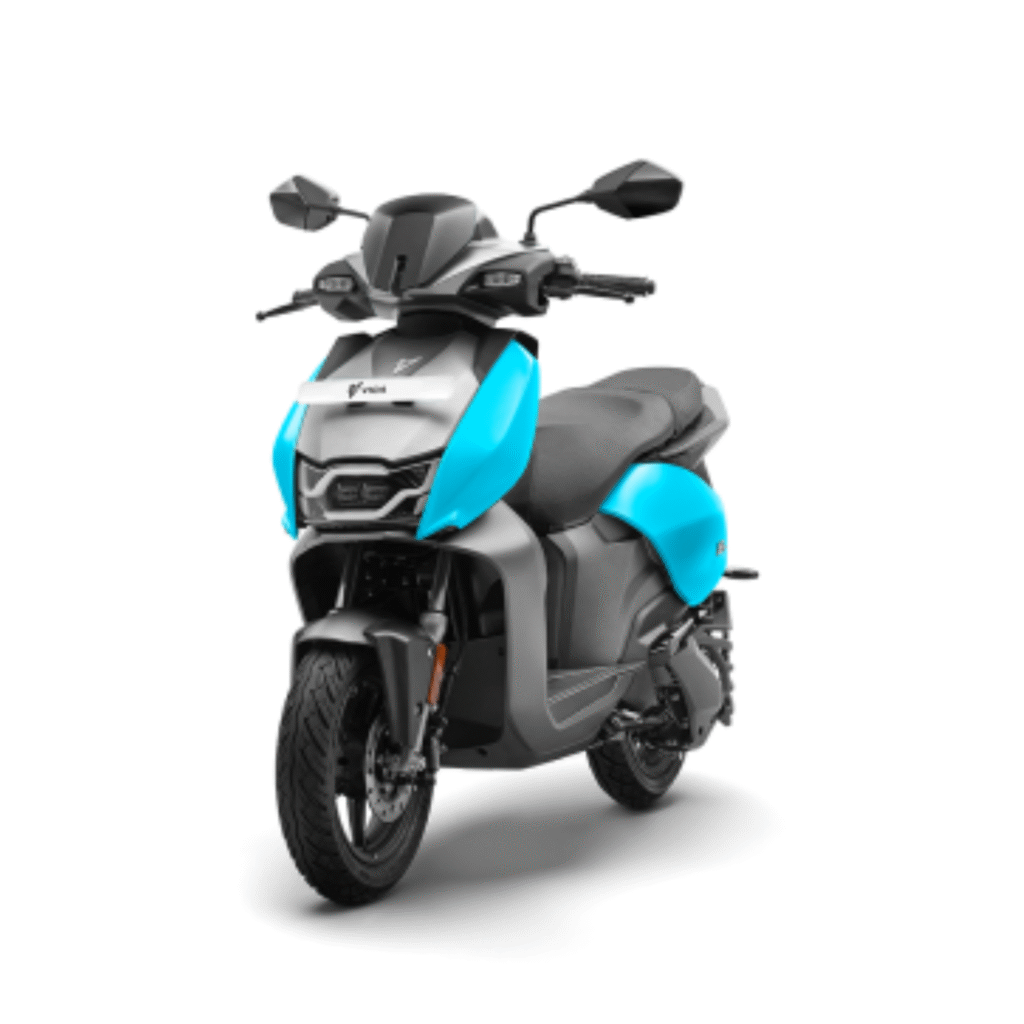
Hero MotoCorp sold 13,313 units in August, holding a 13% market share. This is the company’s second record month in a row, thanks to strong demand for the Vida VX2. Compared to just 4,759 units in August 2024, Hero’s growth stood at a massive 180% year-on-year.
Bajaj Auto – Facing Supply Issues
Bajaj Auto slipped to fifth position in August with 11,730 units and an 11% market share. This was a 30% drop compared to last year’s 16,818 units, caused by a shortage of rare earth magnets that slowed Chetak production. The company has now restarted full operations and is working on alternate technologies to avoid such supply disruptions in the future.