
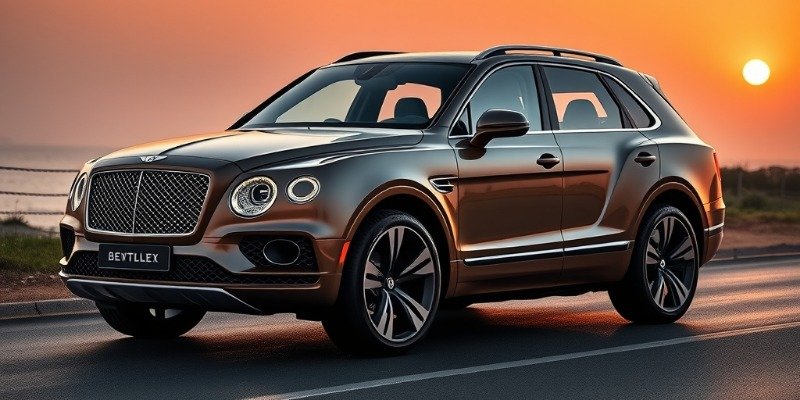
Bentley has entered the electric era with the Torcal, its first fully electric SUV. Unveiled globally in September 2026, the Torcal promises up to 600 kilometres of WLTP range from a 113 kWh battery pack. For Indian buyers, this figure sets a new reference point in the ultra-luxury electric segment. The Torcal is expected to reach India in the second half of 2027 with an estimated price of around ₹4.5 crore to ₹5 crore ex-showroom. As the market prepares for its arrival, it is worth examining which other upcoming luxury electric vehicles can match or exceed this range benchmark.
Bentley Torcal specifications and India timeline
The Torcal is built on the Volkswagen Group PPE platform with an 800-volt architecture. It uses a 113 kWh battery comprising 192 pouch cells. Bentley quotes a WLTP range of up to 600 kilometres for both variants. The standard Torcal produces 821 PS and 1,194 Nm, reaching 100 kmph in 3.4 seconds. The Torcal S raises output to 888 PS and 1,350 Nm with launch control, cutting the sprint to 2.9 seconds. Both models support 400 kW DC fast charging, adding roughly 161 kilometres in seven minutes. A 10 to 80 percent charge takes between 16 and 20 minutes depending on the charger. The SUV measures five metres in length, offers a 460-litre boot and a 90-litre frunk. Deliveries globally begin in the second quarter of 2027, and Indian introductions are expected in the latter half of the same year.
Porsche Cayenne Turbo Electric platform cousin
The Porsche Cayenne Turbo Electric shares the same PPE platform and 113 kWh battery. It claims a higher WLTP range of up to 623 kilometres. With launch control, it delivers up to 1,156 PS and 1,500 Nm, accelerating to 100 kmph in 2.5 seconds. It also supports 400 kW charging. The Cayenne Electric is already available in international markets and is expected to reach India sooner than the Torcal. For buyers who prioritise outright performance and a slightly longer range figure, the Cayenne Turbo Electric presents a direct technical alternative, though with a different brand positioning and cabin philosophy.
Mercedes-Maybach EQS 680 SUV rival
The Mercedes-Maybach EQS 680 SUV targets the same ultra-luxury buyer. It uses a larger 118 kWh usable battery and claims approximately 600 kilometres on the WLTP cycle. Power stands at 658 PS and 950 Nm, with a 0 to 100 kmph time of 4.4 seconds. Its maximum charging rate is 200 kW, which is half the peak capability of the Torcal and Cayenne. The Maybach focuses on rear-seat comfort and traditional luxury cues rather than driving dynamics. For customers who value chauffeur-driven refinement over acceleration, the Maybach remains a credible competitor at the 600-kilometre range level.
How the three compare on paper
On specifications alone, the Porsche Cayenne Turbo Electric leads in range, power and acceleration. The Bentley Torcal S matches the Cayenne's top speed of 260 kmph and betters the Maybach in both charging speed and acceleration. The Torcal's 400 kW charging capability is a significant advantage on highways where compatible chargers exist. The Maybach EQS 680 SUV matches the 600-kilometre range claim but lags in charging performance. All three vehicles use large battery packs above 110 kWh and target a similar price bracket in global markets. Indian pricing will vary based on import duties and local homologation.
What Indian buyers should consider
The Torcal's India arrival in late 2027 means a wait of nearly two years from its global reveal. During this period, the charging infrastructure for 400 kW speeds will need to expand significantly to make the Torcal's fast-charging claim usable in real-world conditions. The Porsche Cayenne Electric may arrive earlier and benefit from a more established dealer network. The Maybach EQS SUV is already present in India in its combustion form, giving Mercedes a head start in service readiness. Buyers should also factor in that WLTP figures are laboratory estimates. Real-world range in Indian summer conditions with air conditioning running will be lower for all three models.
The Bentley Torcal brings a unique proposition with its active suspension, handcrafted materials including merino wool fabric and ombré walnut trim, and a bespoke sound signature composed with real instruments. These elements differentiate it from its platform-sharing cousin and the more traditionally appointed Maybach. For the Indian ultra-luxury buyer, the choice will come down to brand loyalty, cabin preference, and the willingness to wait for the Torcal's 2027 launch window.
FAQs
When will the Bentley Torcal launch in India
The Bentley Torcal is expected to arrive in India in the second half of 2027. Global deliveries begin in the second quarter of 2027, and Indian introductions typically follow a few months later.
What is the expected price of the Bentley Torcal in India
Industry estimates place the Torcal between ₹4.5 crore and ₹5 crore ex-showroom before options. Final pricing will be announced closer to launch.
Which luxury EV has the highest WLTP range among the three
The Porsche Cayenne Turbo Electric claims up to 623 kilometres WLTP, which is higher than the Bentley Torcal's 600 kilometres and the Mercedes-Maybach EQS 680 SUV's approximately 600 kilometres.
Does the Bentley Torcal support 400 kW charging in India
The vehicle hardware supports 400 kW DC fast charging. However, the availability of 400 kW public chargers in India is currently limited. The charging speed will depend on the infrastructure at the time of launch.
How does the Bentley Torcal differ from the Porsche Cayenne Electric
Both use the same PPE platform and 113 kWh battery. The Torcal features Bentley-specific active suspension, unique interior materials, a bespoke sound signature, and distinct exterior design. The Cayenne offers higher peak power and a slightly longer WLTP range figure.